When the AI Giants Regulate Themselves
A turbulent week in policymaking for the future of AI
Lunch at the White House
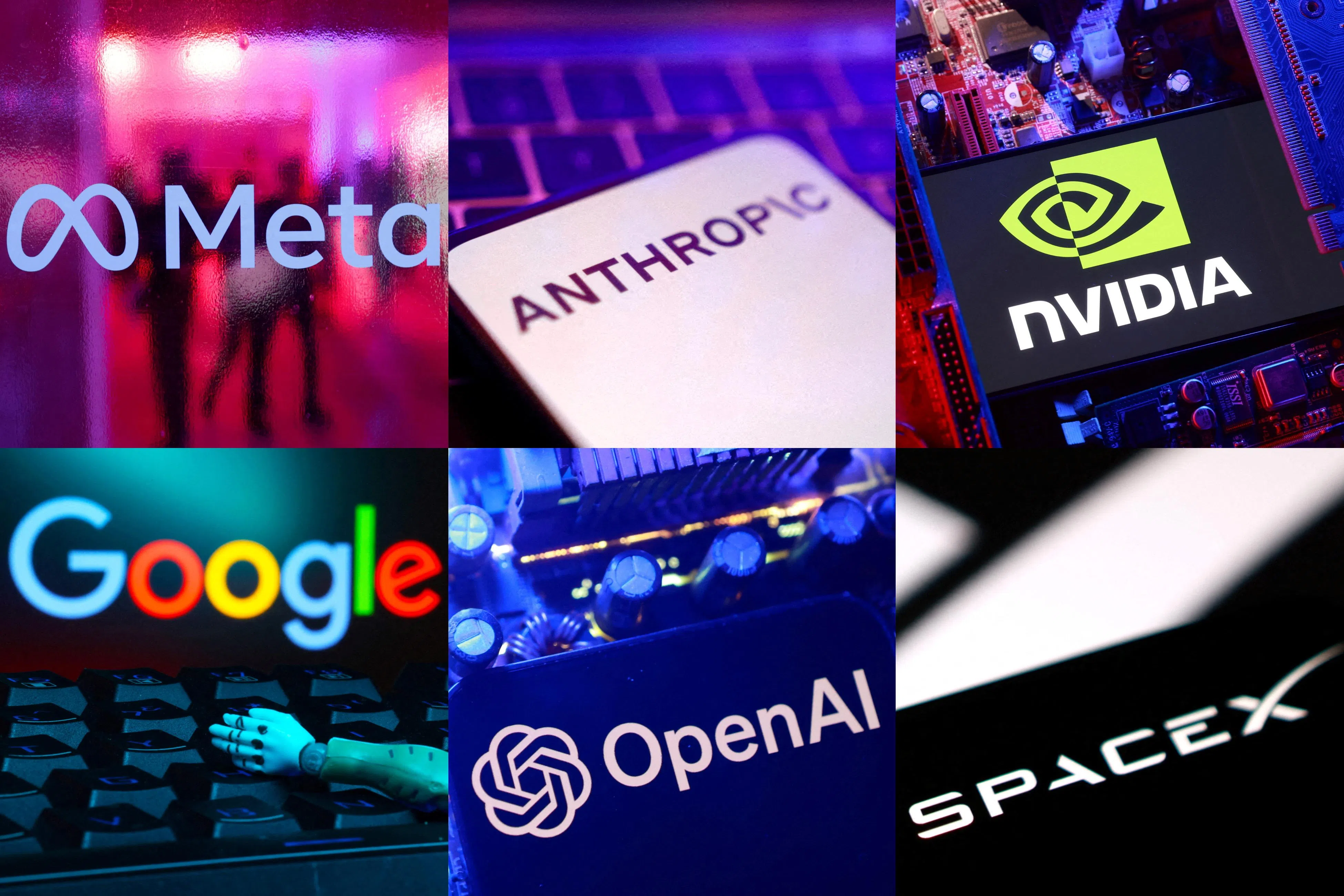
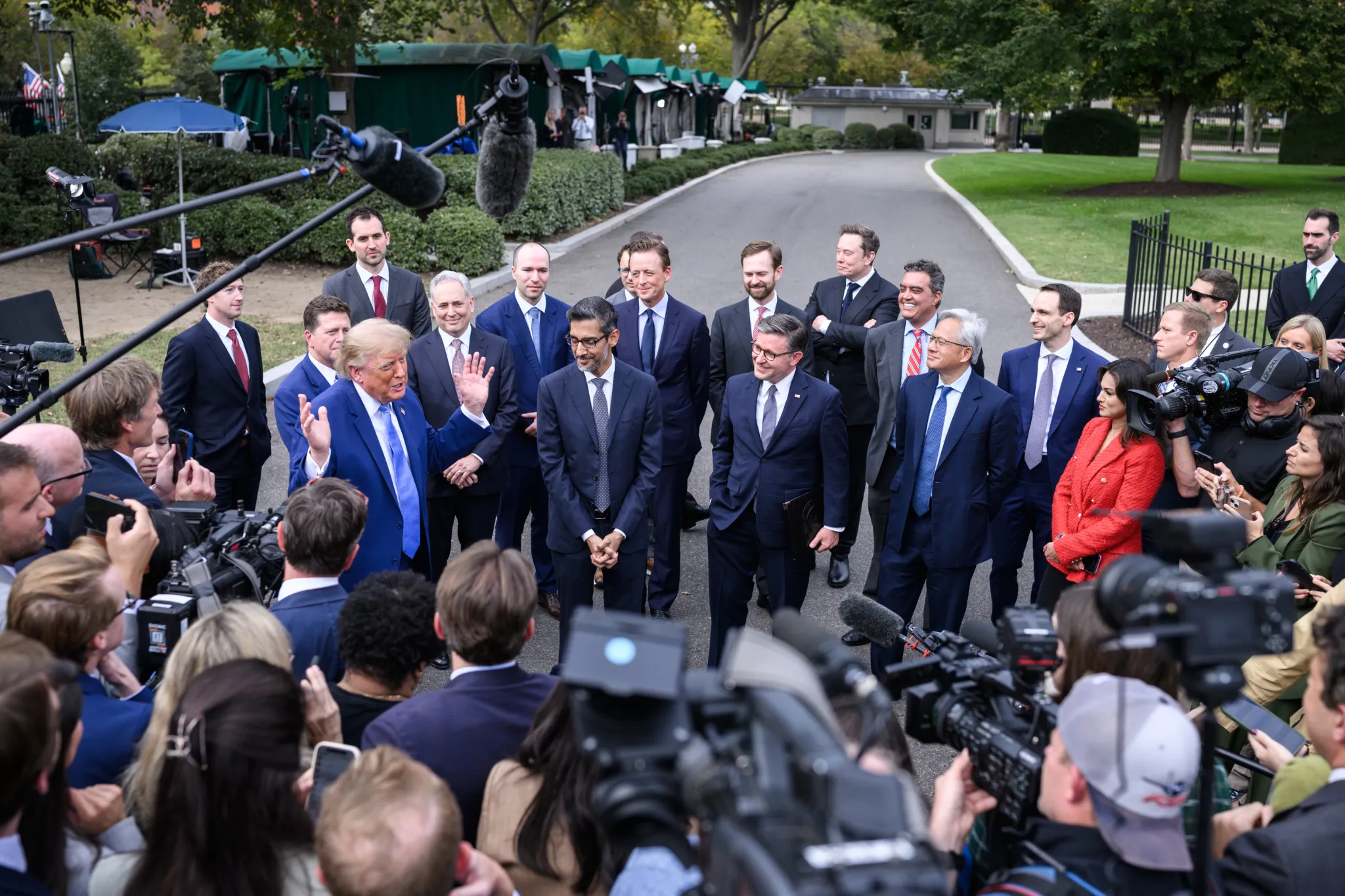
On Tuesday, September 29, 2026, Donald Trump hosted the leaders of the world’s biggest AI companies. Dario Amodei of Anthropic, Sundar Pichai of Google, Mark Zuckerberg of Meta, Greg Brockman of OpenAI, Jensen Huang of Nvidia and Elon Musk, founder of xAI, which is now part of SpaceX, signed a document that Trump later posted on the social network Truth Social. According to the Associated Press, Jeff Bezos, founder of Amazon, also attended the meeting.
An accord named “Superintelligence”
The document’s official title is “The White House Accord on Superintelligence: A Joint Commitment on Frontier AI Responsibilities.” Mike Johnson, Speaker of the House, described it as voluntary, and Trump stressed that the industry will “police itself.” When reporters asked whether the accord is binding, Trump said it is morally binding. He also called it “almost like a constitution.”
But what does the document contain? According to CBS News, the companies have committed to “four layers of controls and audits”: internal evaluations, audits by an outside firm, and review by each company’s board of directors. Trump said a ten-person oversight committee had also been discussed, and that he plans to name an “AI czar” within the next three or four days.
Critics point to how thin the document is. ABC News writes that it only says the signatories “believe” each company “should” implement a set of controls and audits. An analysis site also stresses that the accord covers six companies and carries no penalties. The word “superintelligence” is part of the story too. The White House chose the name amid Trump’s push to replace “artificial intelligence” in government documents. Even so, despite the word’s presence in the title, there is no explicit agreement among the companies to adopt it. David Sacks, Trump’s former AI adviser, welcomed the accord and said only Trump could have gathered the leaders of the chip, data center and frontier-model companies around one table. One analysis website also reported, without independent confirmation, that Mark Zuckerberg raised his concerns about future regulation with Johnson, and then asked Jensen Huang to help draft principles that the industry could bring to its next meeting with Trump.
Bill Gates: don’t rely on the industry!
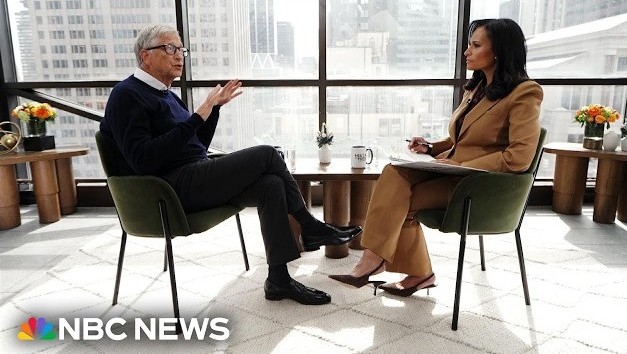
A few days before the meeting, Bill Gates, co-founder of Microsoft, took a different position in a conversation with Kristen Welker on NBC’s “Meet the Press” (aired Sunday, September 27). He said no one considers self-regulation sufficient. In his view, lawmakers and law enforcement must join the discussion about safeguards and oversight, and this must be mandatory. Speaking to The New York Times, he said this is why he is speaking so loudly: you cannot rely on the industry to regulate itself. His warnings were stark: AI is powerful enough to drive events that could leave a billion dead. He said AI can help design new molecules and even a pathogen worse than smallpox, something that once required the resources of a state and is now within reach of small groups. In his view, the immediate risk of bad actors using these tools outweighs the longer-term risk of AI slipping out of control. On the “kill switch,” he said having one is not enough on its own!
But Bill Gates is not in favor of halting AI development. According to Forbes, he said that in a possible meeting with Trump he would call for a requirement on all AI systems in the United States, not for slowing their development. He believes such rules carry a bit of overhead for the industry but do not dramatically slow its work. Asked whether AI is uncontrollable, he answered no, and said both government regulation and industry self-regulation are needed. Gates also said these concerns are “not a hoax at all,” in response to Trump, who had previously publicly dismissed calls for new legislation as a hoax.
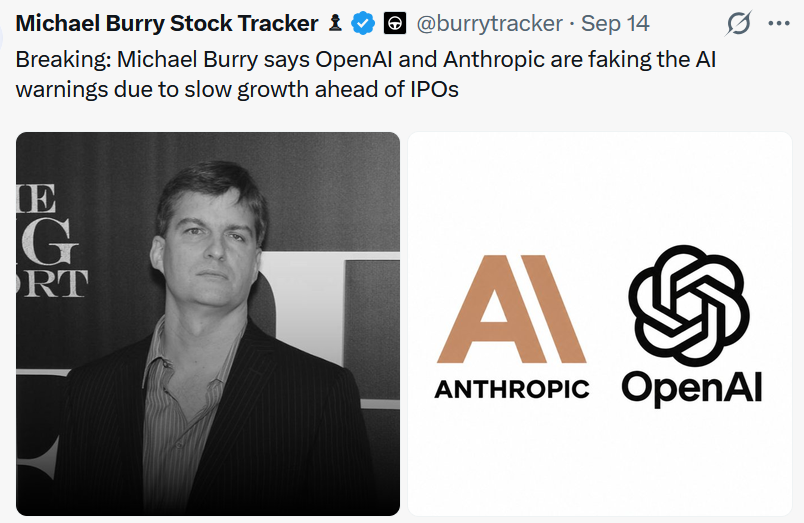
Michael Burry: is all this noise a business trick?
The third voice in this debate came from Wall Street. Michael Burry, the investor who rose to fame in the 2008 housing crisis, wrote on X in mid-September that we should stop for a moment and consider how the talk by the heads of OpenAI, Anthropic and the hyperscalers about slowing things down looks more like serving themselves than anyone else! He gave several arguments, among them: large language models are not real AI and have not yet reached the level of general intelligence, so there is nothing to slow down. Or that competition is rising fast and slowing down benefits established players, who need hype and noise for their initial public offerings.
Burry’s warnings on X also drew attention and endorsement from Jacob Coxon, a former Anthropic employee. The second part of Burry’s argument, the accusation of regulatory capture, has drawn more attention than the rest, and Ron DeSantis, governor of Florida, has also said that big companies want a structure that pushes smaller companies out of competition.
Burry’s claims are debatable but not very solid or evidence-based, especially since he himself, as an investor, has a stake in all this! Ultimately, one important question remains unanswered: if this accord becomes law in the United States tomorrow, who will bear the financial burden of the external audits and board reviews? The six companies with billions of dollars in capital, or the rest of the industry?
Related Posts