How to find data that doesn't lie?
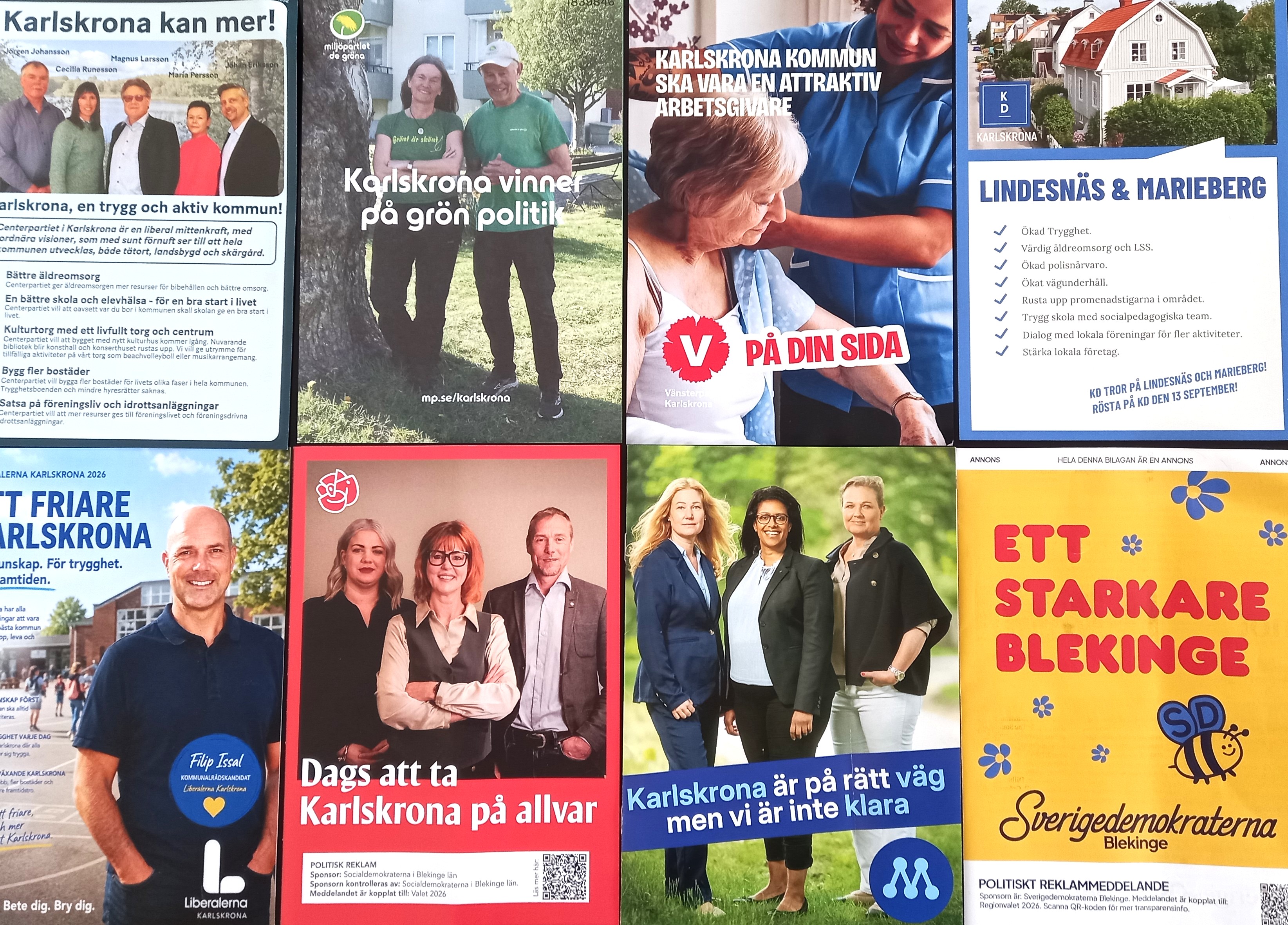
We’re getting close to the final day, and election campaigns are doing their best to win more votes. So, some people may still not feel sure, among all the information and promises, which political party is the right one to choose.
Many people, after watching ads and debates on Swedish radio and TV, have probably taken a quick look at the election compasses (valkompass) to try to understand how the differences between policies and politicians’ views actually matter to them and then decide. But is what these compasses show reliable enough to base your vote on just a general impression?
AI can be a very useful tool for analyzing this kind of data, but there are still challenges like how much people actually know about using it correctly, and the risk of making a wrong choice because of unsure or careless use. In any case, in Sweden, just like everywhere else in the world right now, there’s a lot of concern about how trustworthy these AI tools and agents really are. Only three days are left until voting closes, and this complexity is a bit stressful and annoying.
So while we now have more tools to check how honest and capable politicians are, we’re also facing more challenges. What should we do in a situation like this? In Agile Software Development, there’s a practice called “back to basics.” The idea is: whenever you’re unsure about continuing with a certain way of doing things, it’s good to go back to the basic principles of the Agile Manifesto and rethink your path forward. This practice comes from trusting past experience. Historical data and its results are very helpful for making changes and getting back on track toward success.
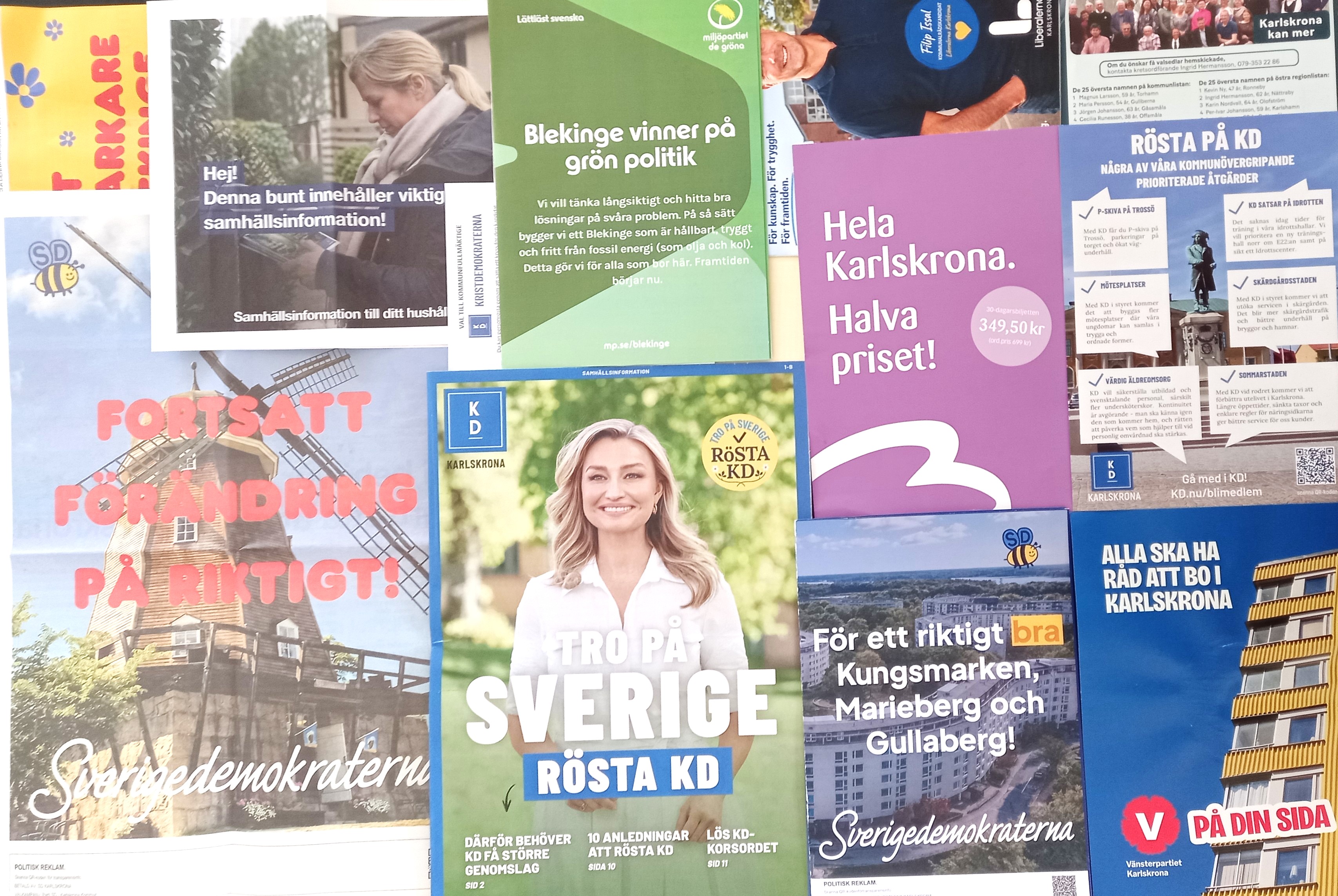
What does this practice mean translated into politics? “Let’s go back and review past data” is of course our first answer. But what if we can’t even agree on how trustworthy the sources of the data are, or the tools used to collect and analyze them? Here too, it seems we need an even deeper back to basics! In human societies, one good way to “back to basics” might be to look at what people have understood over the years of their lives about politics and how society is run, and have shown, without saying it out loud, in the way they actually live. Maybe it’s worth seeing what they’ve understood with their hearts, not just by looking at compasses and charts. So if you still haven’t voted and you’re unsure, take a look at your neighborhood’s trash bins today! You might find more clearly there what the people around you don’t like! Real democracy is never a short moment that can be pushed forward just with propaganda and campaign posters filling people’s mailboxes!
Related Posts