Future of Products/Jobs - a new Long Shot
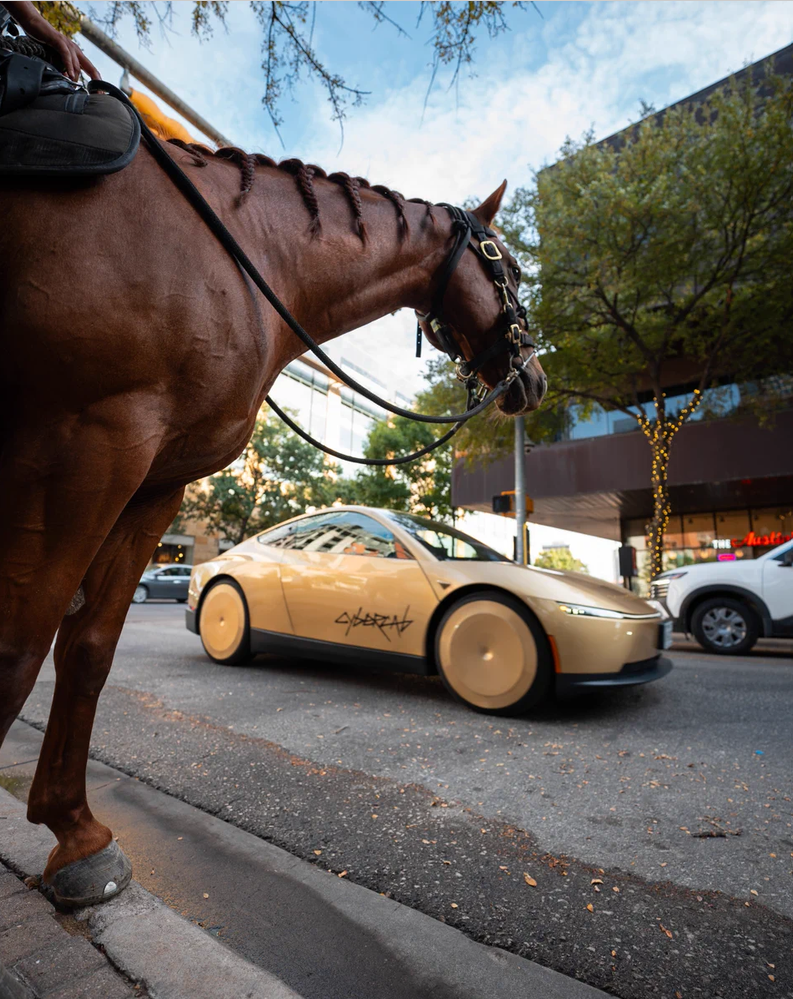
Last Friday, Tesla has launched its new driverless Cybercab in Austin, Texas, USA. These gold autonomous vehicles with no steering wheel, gear shifts, pedals, dashboards, and many other gagets we’d usually expect to see in a car as passengers. Besides the usual services expected from online taxi platforms, they also offer passengers a new user experience through a screen at the front of the car.
From a business perspective, everything looks great: a successful idea, a novel and appealing user experience, time and cost savings, travel safety, and so on. But looking deeper into the future of products and jobs, these robotaxies following earlier efforts shift developed societies one step closer to completing the automation of public services, and as a result, eliminating non-graceful jobs. A few years ago, this situation might have been seen as a warning sign for the jobs and skills which they tended to become obsolete by AI. But today that trend has become stabilized, and it’s time to think about another levels instead: the technical and product opportunities and limitations, the context of deployment, security and safety, privacy, regulatory and ethical challenges, and other matters each of which deserves deep discussion on its own.
Given the accelerating pace of technological progress and the resulting fundamental changes in occupational and societal structures, an important question arises: does the old, general survival strategy (adaptation to circumstances) still seem as reliable as before? Or is a paradigm shift on the horizon?
Related Posts